 Frontier Models
 SpaceXAI maintains $2 per million input and $6 per million output token pricing while delivering a 500,000-token context window and benchmark gains from longer reinforcement learning focused on complex coding challenges.
By Marcus Vance · 7 MIN READ
 Frontier Models
 The open-weight omnimodal models incorporate scaled reinforcement learning to advance performance in coding and spatial reasoning while releasing the complete training stack for community use.
By Marcus Vance · 8 MIN READ
 Frontier Models
 SpaceXAI's latest release enhances self-checking and long context capabilities for coding and knowledge tasks while preserving the token pricing from the previous model version.
By Marcus Vance · 5 MIN READ
 Frontier Models
 Alibaba's Qwen team has released an open-source model that combines text-to-image generation and editing in one 7B parameter system while limiting use to research purposes.
By Marcus Vance · 4 MIN READ
 Frontier Models
 The September 20, 2026 open-weight drop unifies generation and editing with native RGBA transparency and multi-reference support, yet restricts deployment to non-commercial research only.
By Marcus Vance · 5 MIN READ
 Frontier Models
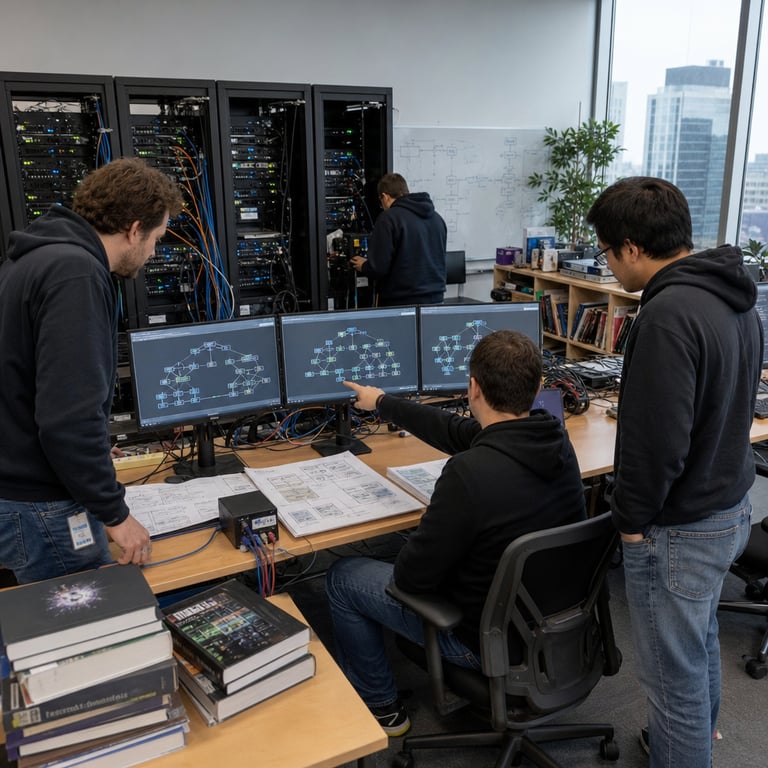
 The early access launch on September 15, 2026, introduces a decision-focused alternative to language models that supplies structured results for direct code integration.
By Marcus Vance · 4 MIN READ
 Frontier Models
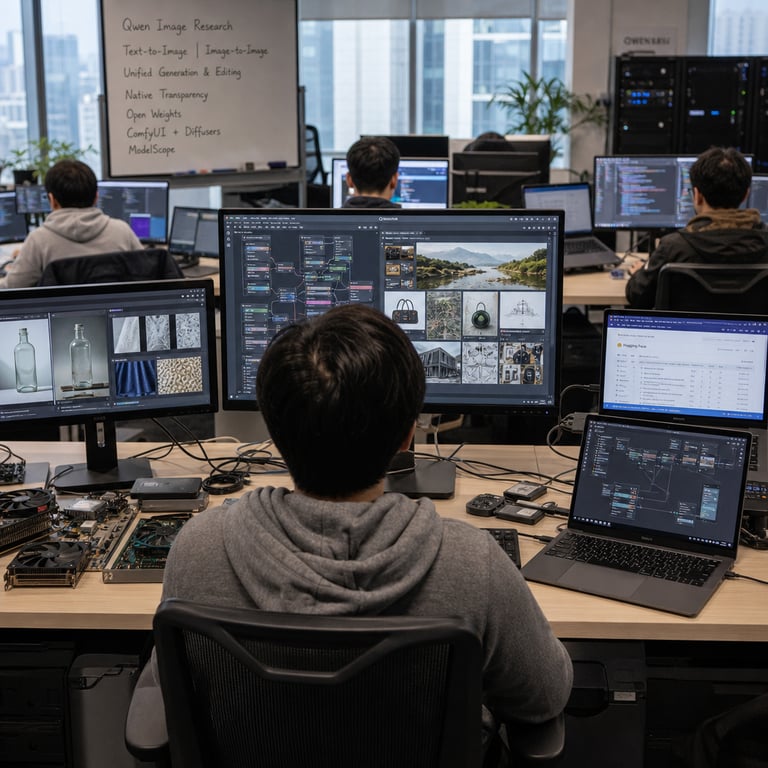
 Alibaba's Qwen team releases compact open weights for Qwen-Image-2.1, a unified model handling text-to-image generation and editing with native transparency, up to 10 references, and immediate Diffusers and ComfyUI support.
By Marcus Vance · 8 MIN READ
 Frontier Models
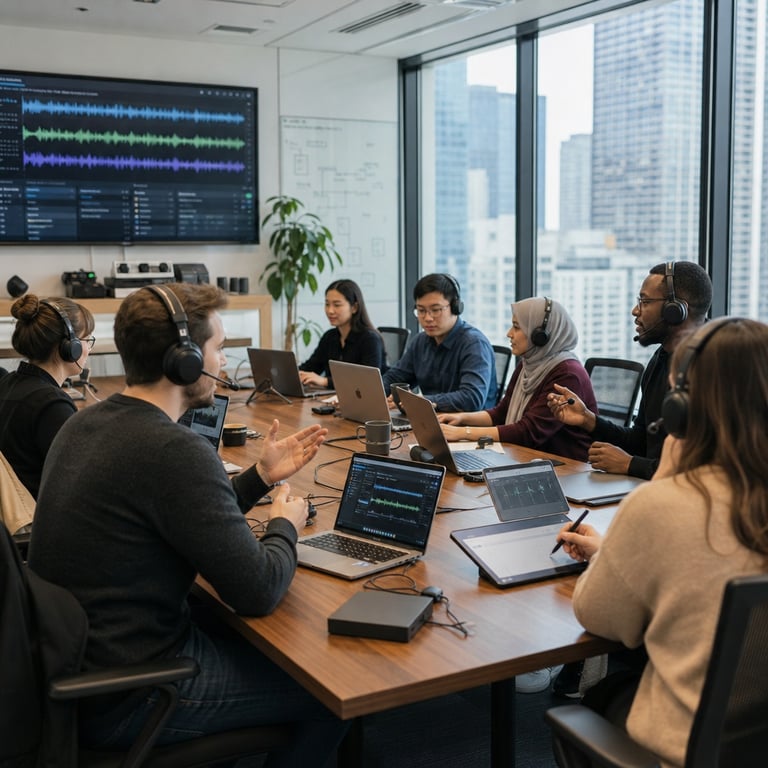
 The September 18, 2026 update improves multilingual performance on noisy real-world audio while preserving batch and streaming options for enterprise developers.
By Marcus Vance · 5 MIN READ
 Frontier Models
 Third-party platforms have published performance details on StepFun's Step 5 Preview model, including intelligence metrics and pricing, prior to any formal announcement or listing by the Chinese AI lab.
By Marcus Vance · 6 MIN READ
 Frontier Models
 The 2.8 trillion parameter open-weight model becomes the first of its kind to support explicit prompt caching on the platform, offering developers new options for long context applications at $3 input and $15 output per million tokens.
By Marcus Vance · 10 MIN READ
 Frontier Models
 The premium tier targets agentic coding workloads on the GLM-5.3-Flash base with expanded speed, context, and input modalities while maintaining separate access from standard subscriptions.
By Marcus Vance · 6 MIN READ
 Frontier Models
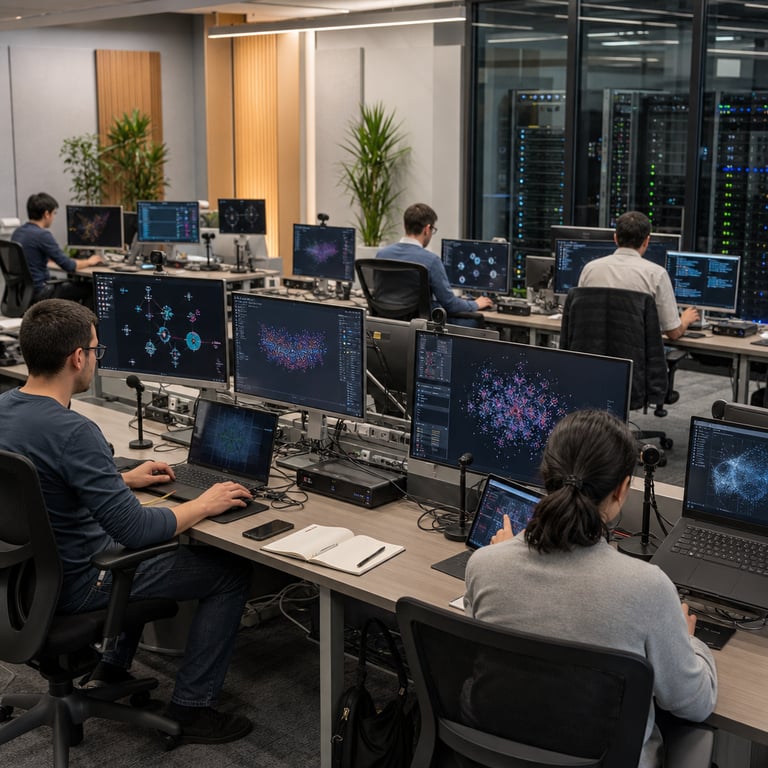
 Alibaba's Qwen team released the model on September 18, 2026, offering 1M-token context and audio-video inputs through pay-as-you-go services that compete directly with Gemini and DeepSeek options on platforms including OpenModels.
By Marcus Vance · 6 MIN READ
 Frontier Models
 Shanghai Artificial Intelligence Laboratory open sources a 744B-parameter agentic model on GLM-5.2 weights under MIT license that leads on several agent benchmarks and supports verifiable tool use.
By Marcus Vance · 7 MIN READ
 Frontier Models
 The September 17, 2026, release combines GPT-6 Astra with a 230 million URL legal index and custom tools, initially available to selected firms via trusted access in ChatGPT and Codex.
By Marcus Vance · 8 MIN READ
 Frontier Models
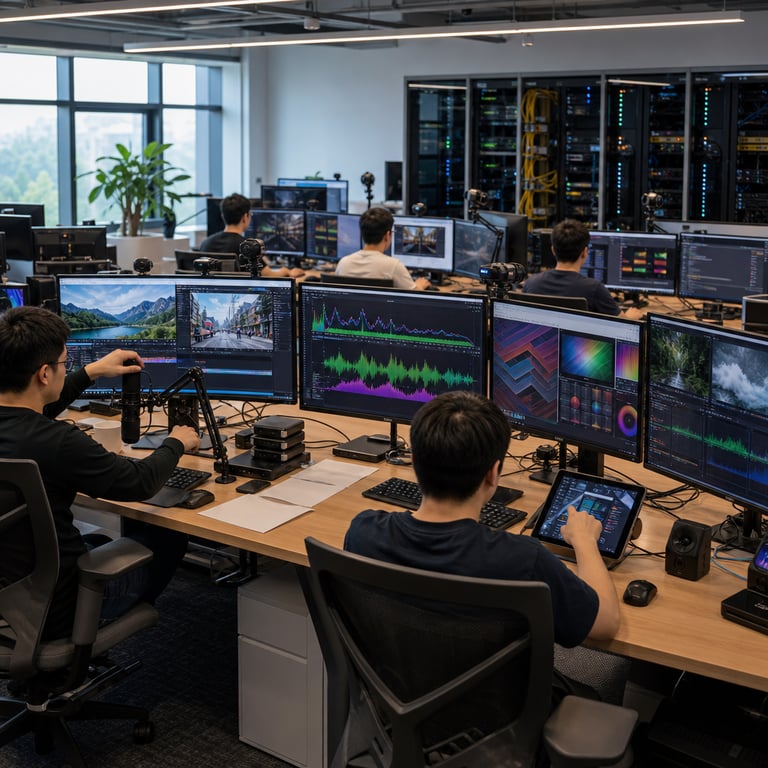
 The September 2026 launch introduces native support for text, image, audio and video inputs alongside a 1M-token context window, cost reductions exceeding 93 percent in some cases, and open-source tools that extend the model into real-world productivity and creative execution.
By Marcus Vance · 6 MIN READ
 Frontier Models
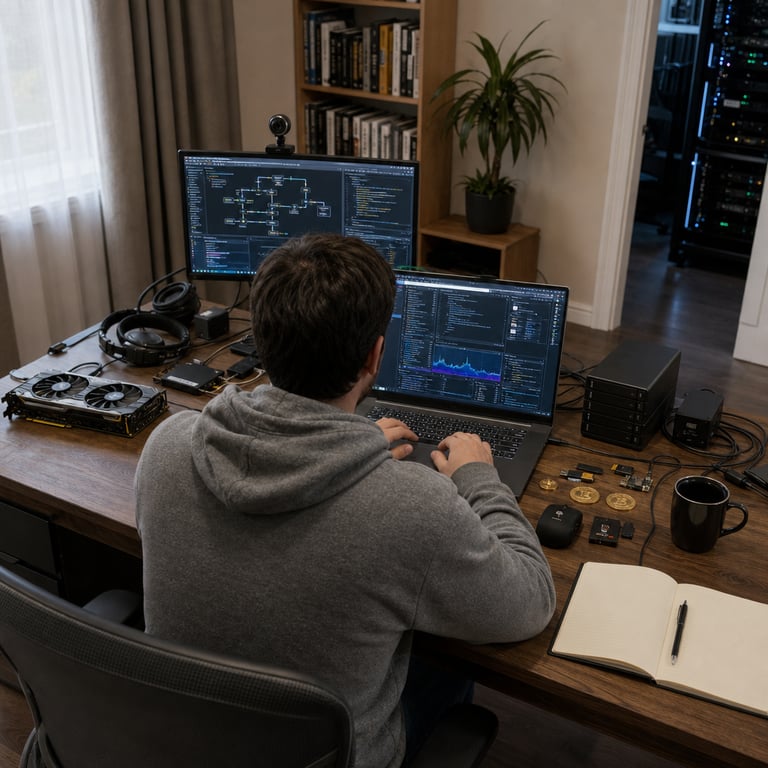
 The 8-billion parameter model fine-tuned from Hermes-3-Llama-3.1 supports specialized tasks in Solana perps research and agent development while remaining distinct from live execution systems.
By Marcus Vance · 4 MIN READ
 Frontier Models
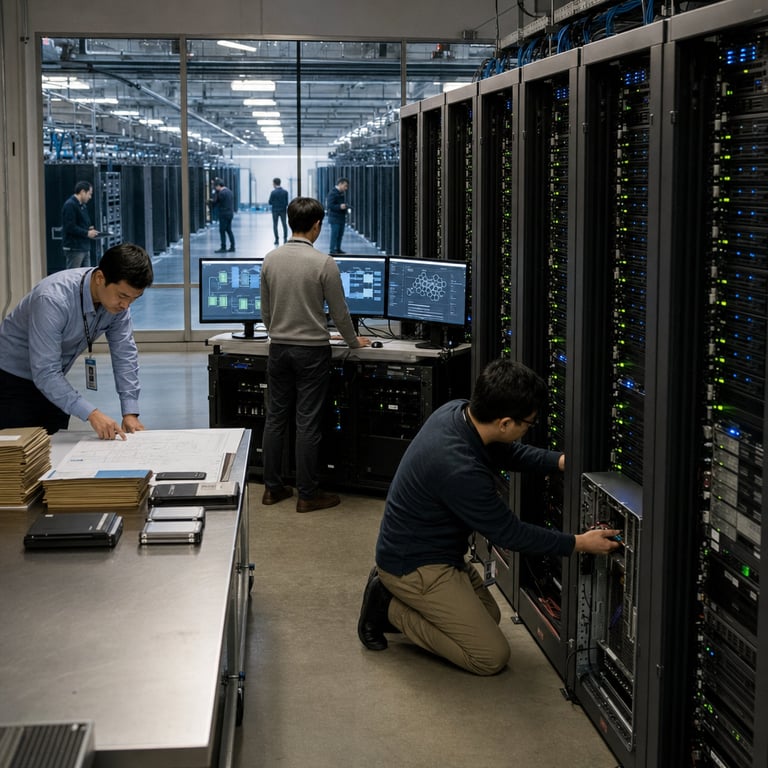
 The September 2026 release of antigravity-preview-09-2026 for Gemini managed agents introduces file management tools, secure credential registration, and caching enhancements that reduce costs on complex workflows while maintaining existing pricing.
By Marcus Vance · 4 MIN READ
 Frontier Models
 The open-weight agentic model built on GLM-5.2 leads specific benchmarks and targets research and engineering workflows through a verifiable training approach.
By Marcus Vance · 7 MIN READ
 Frontier Models
 The September 15 2026 release introduces models optimized for intuitive voice agents, background task handling and multi-language fluidity while rolling out across Google platforms with SynthID protections.
By Marcus Vance · 3 MIN READ