 Enterprise AI
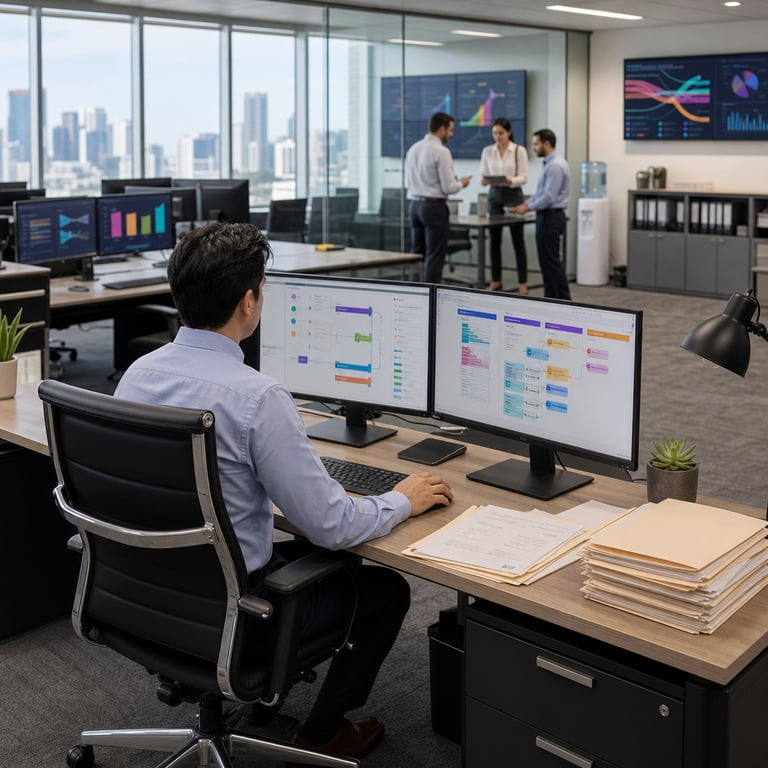
 JPMorgan Chase has scaled nearly 1,000 AI use cases across banking operations, resulting in headcount cuts of up to 40% in specific teams with internal redeployment of staff, as detailed by CEO Jamie Dimon in the Q2 2026 earnings call.
By Samira Reyes · 7 MIN READ
 Enterprise AI
 Partnership with AngelAi introduces multi-tenant Angel Agents on OpenClaw platform allowing rapid personalized AI deployment for mortgage professionals without single-tenant costs or IT overhead.
By Samira Reyes · 4 MIN READ
 Enterprise AI
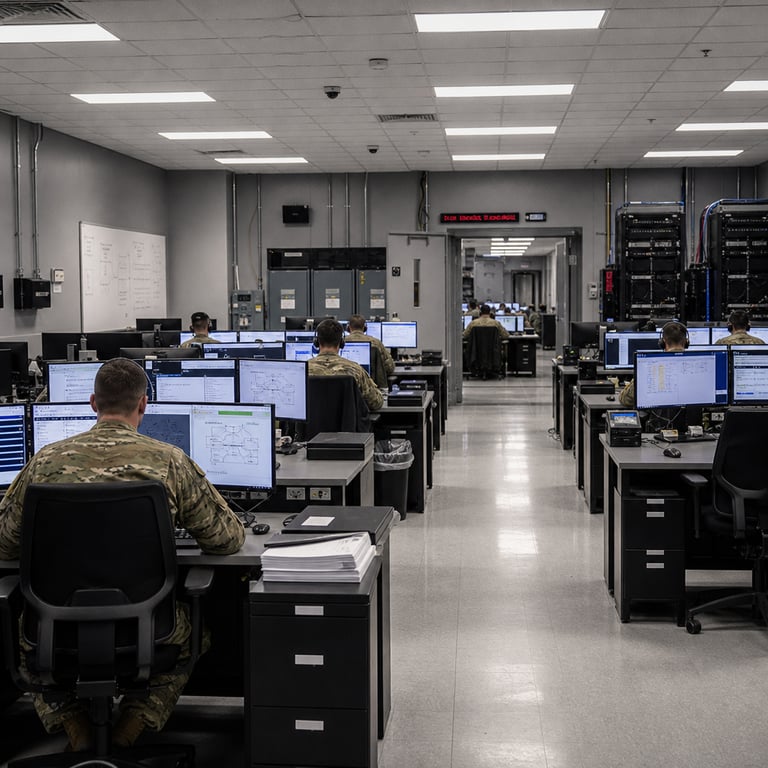
 The Department of War has added OpenAI and xAI models to its secure GenAI.mil portal, which now serves more than 3 million personnel with tools accredited for controlled unclassified information following an initial Gemini deployment nine months earlier.
By The Intel Desk · 6 MIN READ
 Enterprise AI
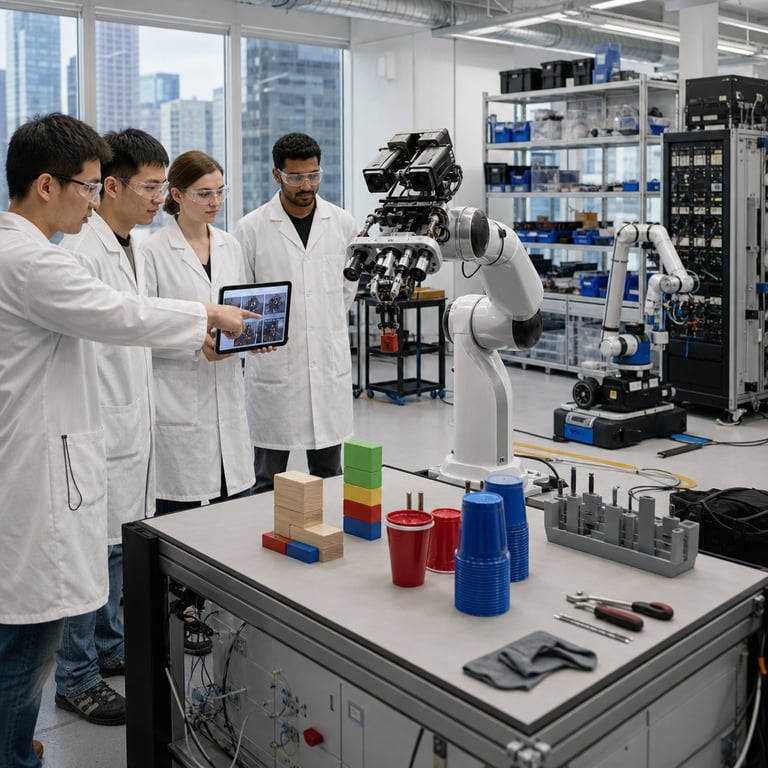
 The 36-billion-parameter model unifies video understanding with embodied control and posts leading results on standard manipulation benchmarks while opening weights and code for enterprise use.
By Diane Okafor · 3 MIN READ
 Enterprise AI
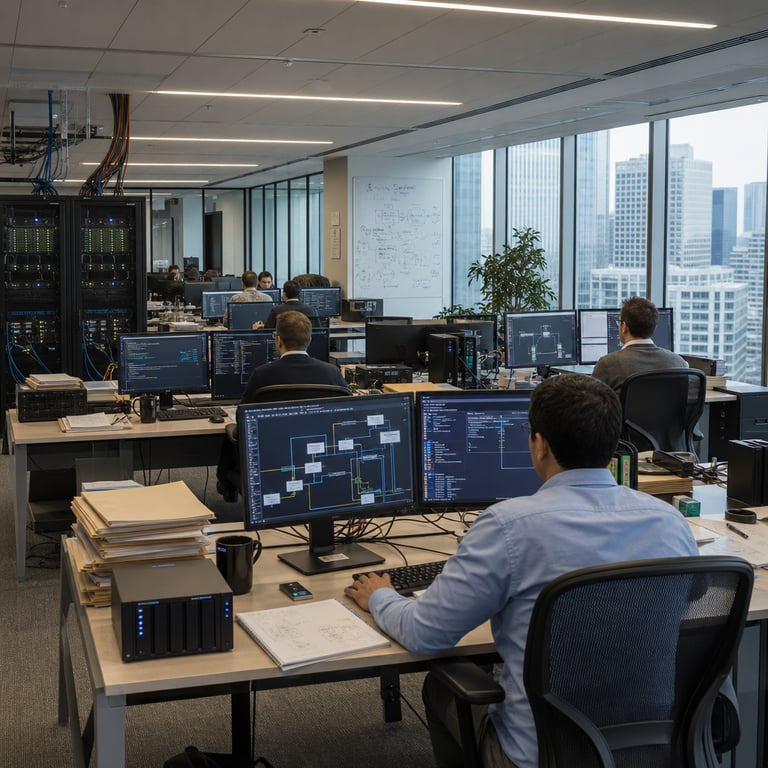
 Enforcing document-level permissions during retrieval in RAG applications using Azure AI Search reveals critical tradeoffs in latency and recall that exceed the difficulties of embedding generation.
By Diane Okafor · 6 MIN READ
 Enterprise AI
 The pharmaceutical company integrates generative models for antibody design, securing early access to Chai-3 and custom training on proprietary data to target previously difficult biologics candidates.
By Samira Reyes · 6 MIN READ
 Enterprise AI
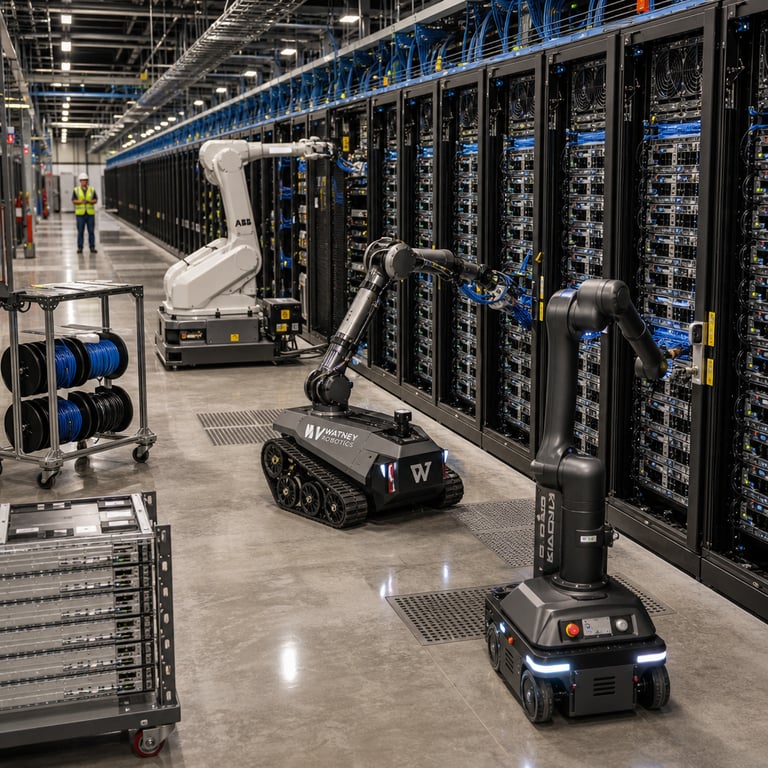
 The company tests machines from Watney Robotics, Kinova, and ABB for cable swaps and server resets in AI facilities while publicly emphasizing a shortage of skilled human workers for its infrastructure projects.
By The Intel Desk · 10 MIN READ
 Enterprise AI
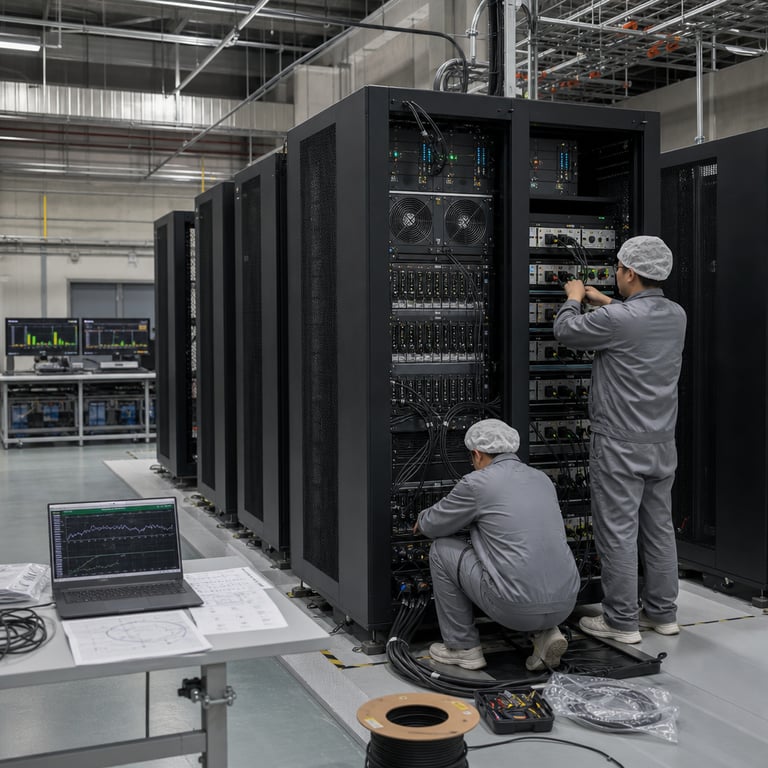
 The 320B-parameter multimodal model with 18B active parameters offers enterprises frontier performance on Chinese hardware at a fraction of typical costs.
By Diane Okafor · 5 MIN READ
 Enterprise AI
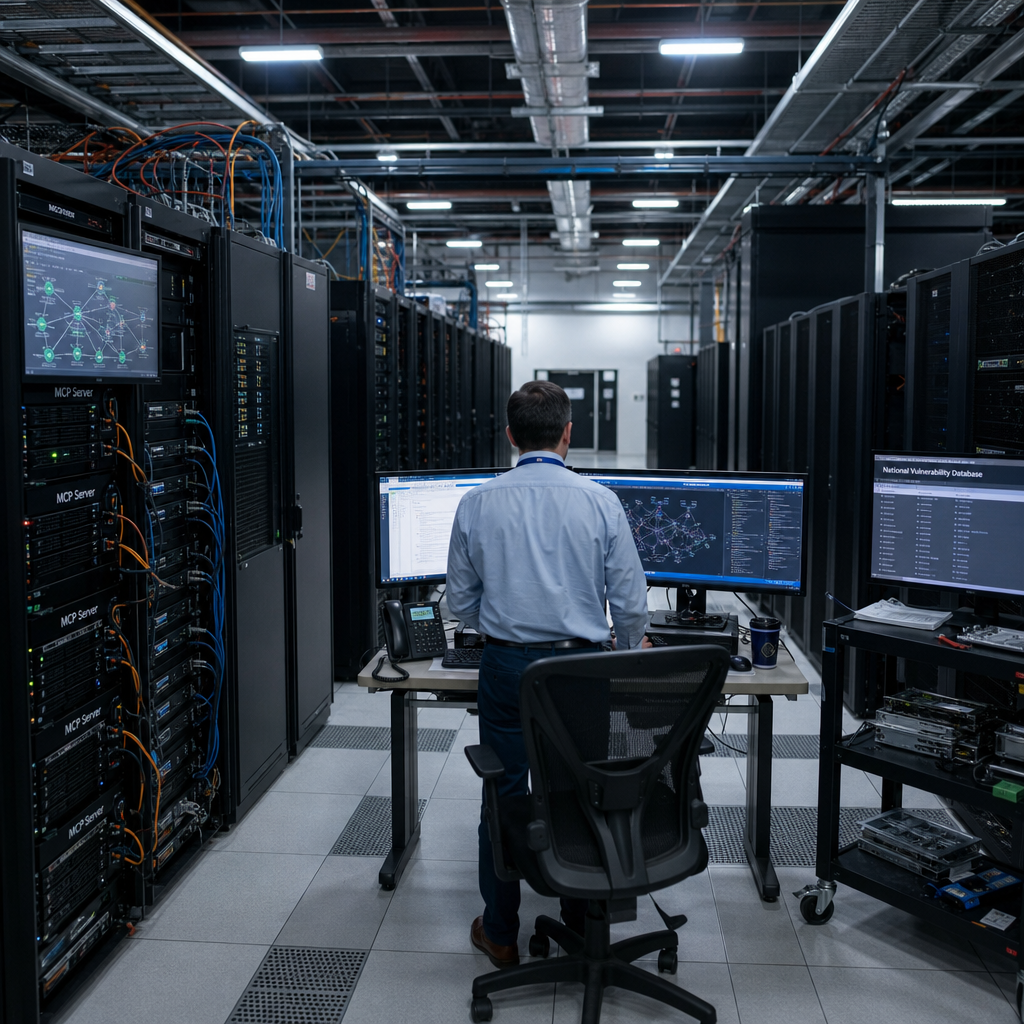
 HPE, NASA and Deloitte will run LLM retrieval-augmented generation, vision inference and cyber defense on a commercial lunar rover, testing whether enterprise edge AI can operate at the Moon's South Pole.
By Diane Okafor · 10 MIN READ
 Enterprise AI
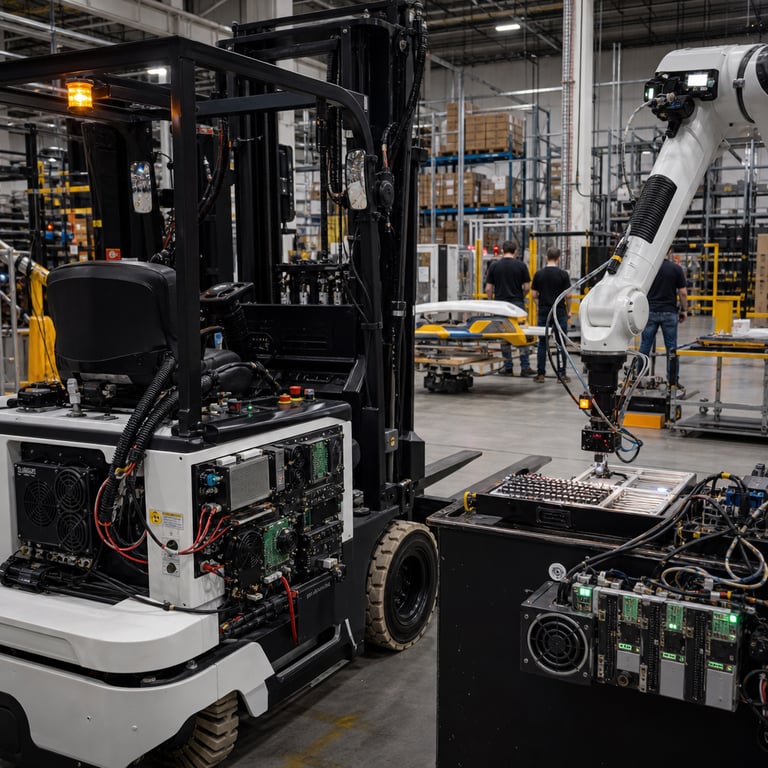
 The August 2026 launch introduces enhanced inference performance and efficiency for robotics and vision systems, aligning with Groq 3 LPX full production after the licensing agreement.
By The Intel Desk · 6 MIN READ
 Enterprise AI
 The building technologies company has automated document extraction to free up seller time and insource its digital workforce, achieving measurable productivity gains in commercial operations.
By Diane Okafor · 12 MIN READ
 Enterprise AI
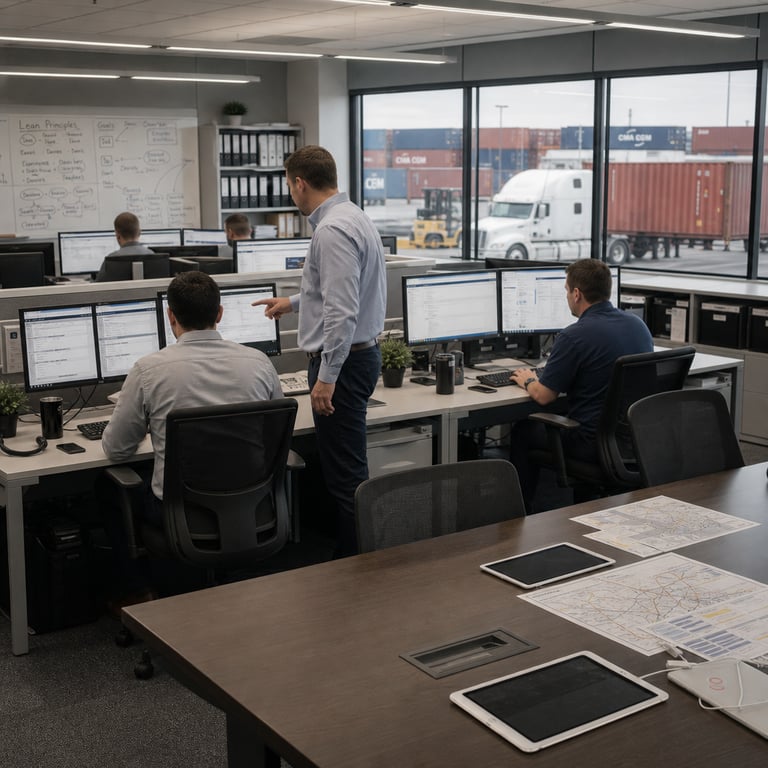
 The logistics provider met its mid-cycle margin targets in a freight downturn by automating quote-to-cash workflows with custom AI agents and lean principles, delivering sustained efficiency across NAST and Global Forwarding.
By Samira Reyes · 7 MIN READ
 Enterprise AI
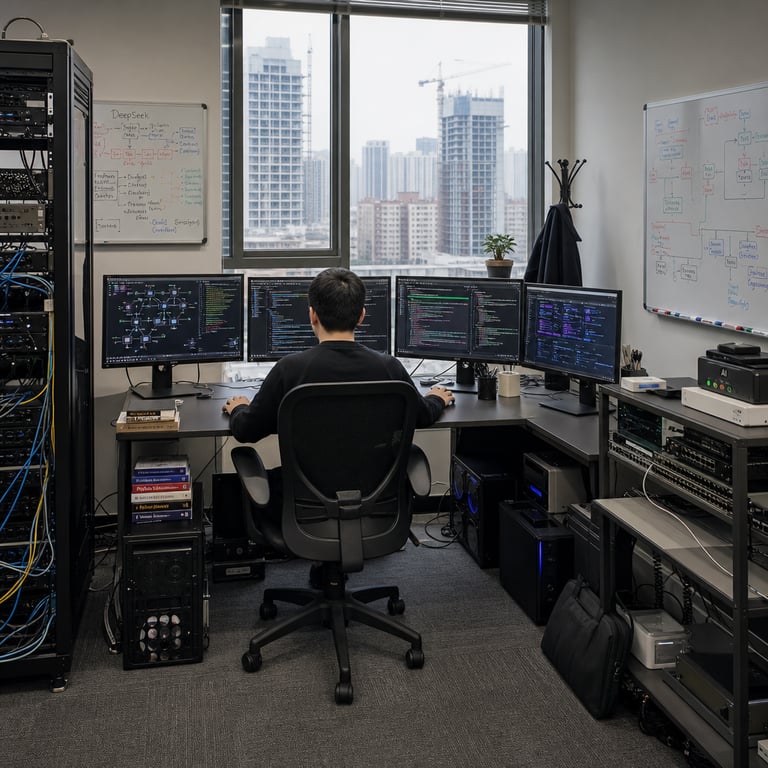
 Open-source AI integration has enabled state-affiliated groups to automate reconnaissance and malware tasks, resulting in significantly higher attack volumes as tracked by security researchers.
By The Intel Desk · 7 MIN READ
 Enterprise AI
 The platform integrates AIP-orchestrated agents with Foundry ontology context and Apollo remediation to handle vulnerability operations while keeping human oversight on critical decisions for large enterprises.
By Diane Okafor · 7 MIN READ
 Enterprise AI
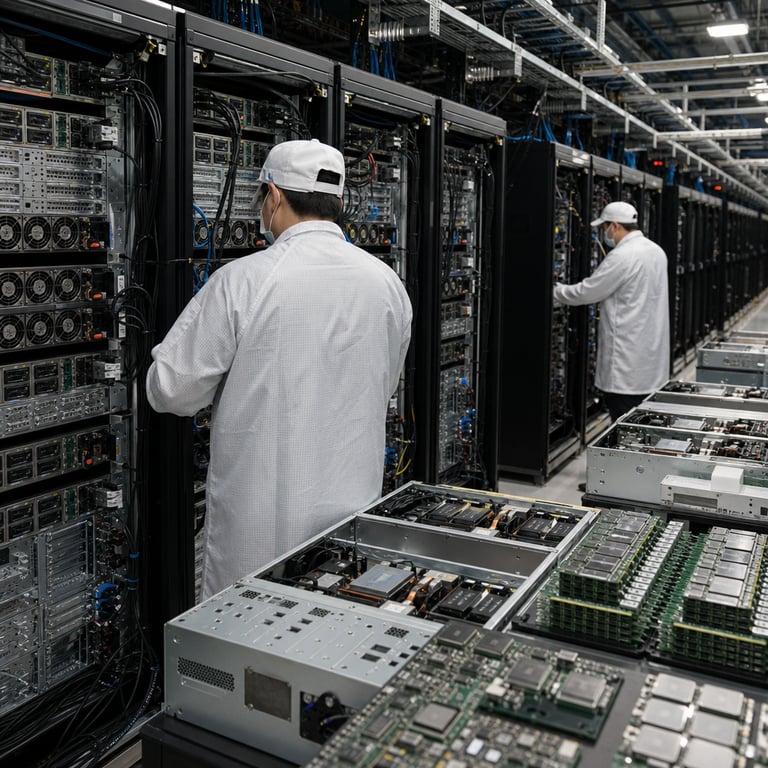
 Soaring costs for HBM and server DRAM from Samsung Electronics, SK Hynix and Micron Technology are forcing NVIDIA to raise prices on systems with Vera Rubin and Grace Blackwell chips, with effects reaching hyperscalers Microsoft, Google and Oracle.
By The Intel Desk · 6 MIN READ
 Enterprise AI
 The health care company details plans for AI spending as part of 2026 modernization, with expected returns tied to operational simplification efforts.
By Samira Reyes · 6 MIN READ
 Enterprise AI
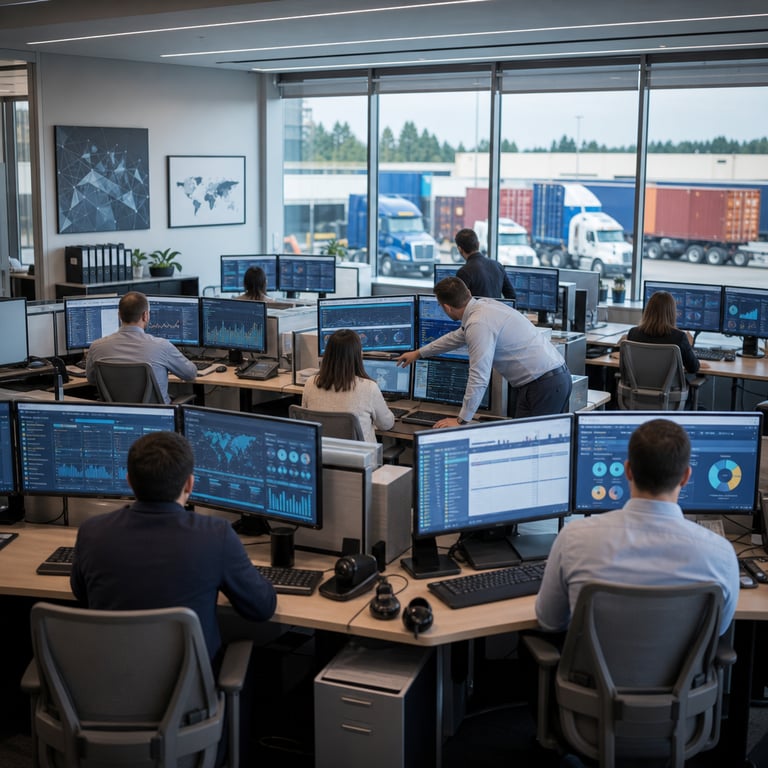
 The freight provider combined lean workflow mapping with AI agents to automate millions of tasks and capture every quote opportunity, delivering sustained efficiency and margin benefits amid industry contraction.
By Diane Okafor · 8 MIN READ
 Enterprise AI
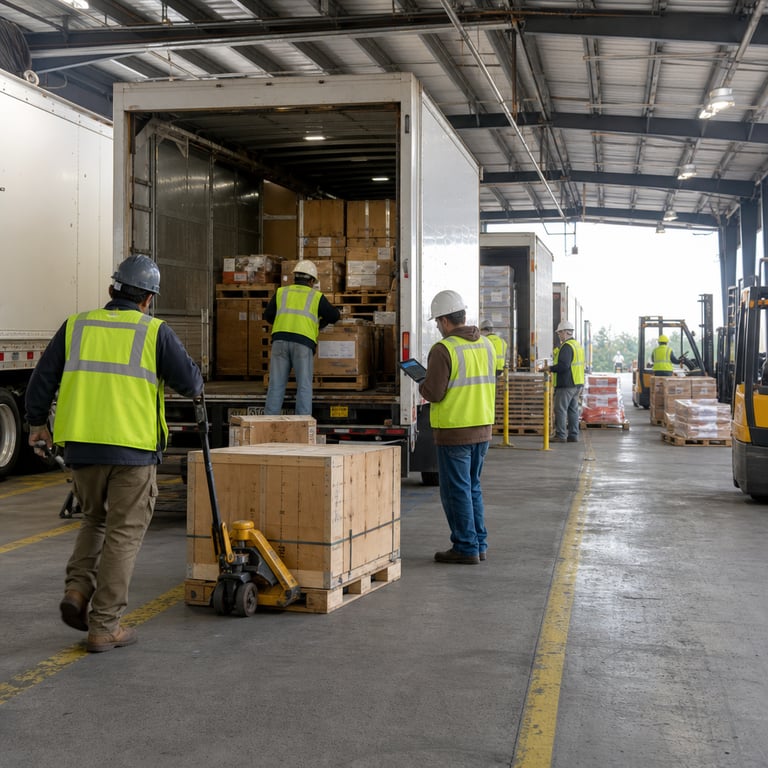
 The less-than-truckload carrier reports gains in efficiency and load quality from trailer loading and workforce tools during a period of declining shipments.
By Samira Reyes · 3 MIN READ
 Enterprise AI
 Alibaba delivers a 27 billion parameter dense vision-language model under Apache 2.0 that targets coding and agent workflows while supporting local inference and extended context lengths.
By Diane Okafor · 5 MIN READ