 Enterprise AI
The payments company expands into AI model routing through the purchase of a platform serving millions of developers with access to hundreds of models from major providers.
By The Intel Desk · 8 MIN READ
 Enterprise AI
The East African financial group executed its Ubuntu strategy through systematic AI embedding, yielding measurable productivity gains alongside a 12.2 percent profit increase in H1 2026.
By Diane Okafor · 6 MIN READ
 Enterprise AI
The buy-now-pay-later company reports its customer service AI now handles two-thirds of inquiries while generating $60 million in savings and halving headcount since 2022 through attrition and replacement.
By Samira Reyes · 5 MIN READ
 Enterprise AI
The global bank partnered with Google Cloud to deploy an AI system that improves financial crime detection efficiency across its operations in multiple markets.
By Diane Okafor · 6 MIN READ
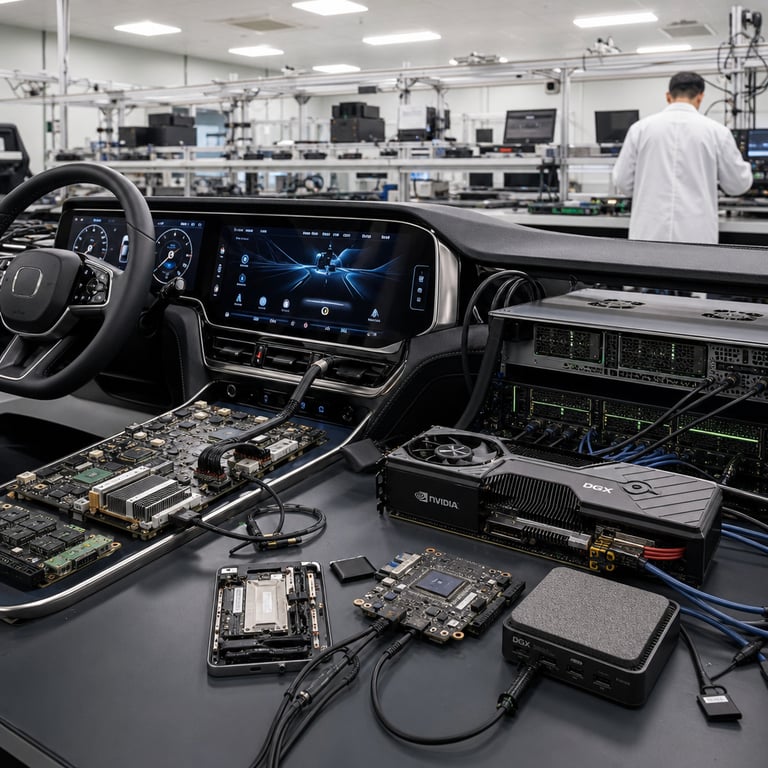 Enterprise AI
Alibaba Qwen's 27B-parameter model receives immediate hardware optimization for automotive and mobile edge devices through MediaTek partnerships while also gaining visibility for local inference on NVIDIA platforms.
By Samira Reyes · 5 MIN READ
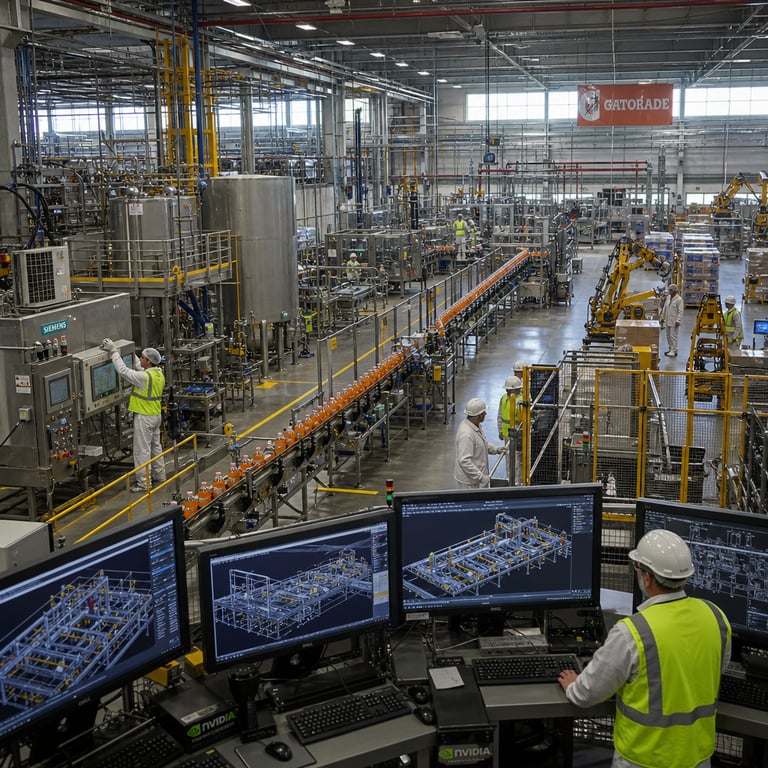 Enterprise AI
The consumer goods company applied virtual simulation technology across US sites to test facility configurations, producing measurable efficiency improvements in production and capital planning.
By Diane Okafor · 6 MIN READ
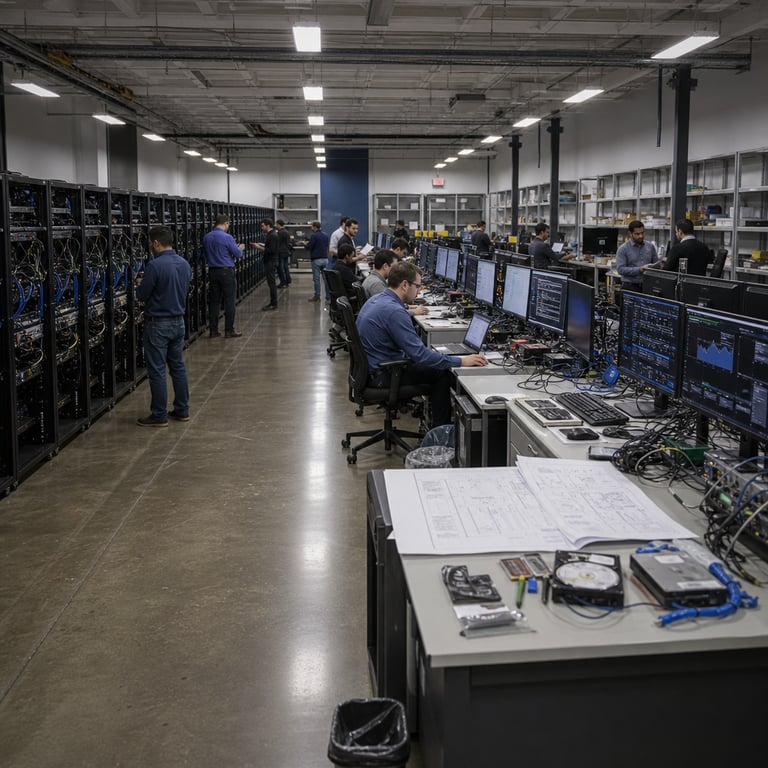 Enterprise AI
SAP integrates its Business AI Platform into core business systems, resulting in measurable backlog expansion as enterprises advance from pilots to production AI use in finance and operations.
By Samira Reyes · 6 MIN READ
 Enterprise AI
The August 11 debut on X uses avatar anchors and AI interviews for continuous automated production, testing enterprise AI limits while surfacing accuracy and accountability issues.
By The Intel Desk · 9 MIN READ
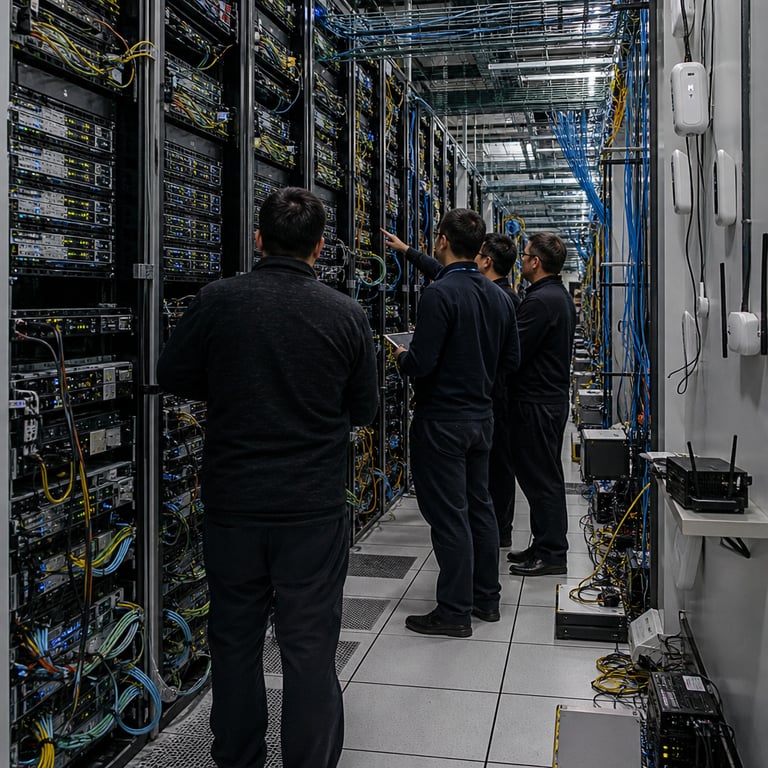 Enterprise AI
Data from 200 CISOs and CTOs at large enterprises reveals universal recognition of AI-driven risks, low confidence in legacy tools, and urgent calls for machine identity governance to address shadow AI and non-human workloads.
By Diane Okafor · 6 MIN READ
 Enterprise AI
The professional services firm scaled Microsoft 365 Copilot across 150,000 users to deliver measurable productivity gains, with plans to extend agentic AI capabilities to its full global workforce.
By Diane Okafor · 6 MIN READ
 Enterprise AI
The insurer embeds AI engineers in cross-functional product teams to build reusable capabilities and address talent shortages, while Microsoft and AWS expand similar programs with multi-billion-dollar commitments in the enterprise sector.
By Samira Reyes · 8 MIN READ
 Enterprise AI
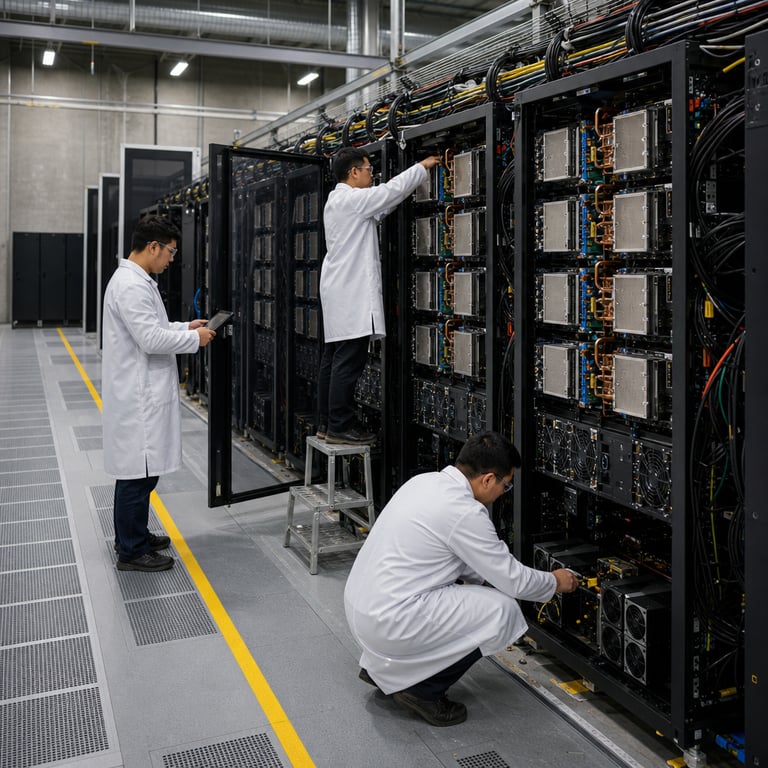
AMD has entered into a definitive agreement to buy the Toronto startup specializing in model-hardwired inference chips, aiming to combine it with its Instinct GPUs for superior performance in the expanding inference market.
By The Intel Desk · 10 MIN READ
 Enterprise AI
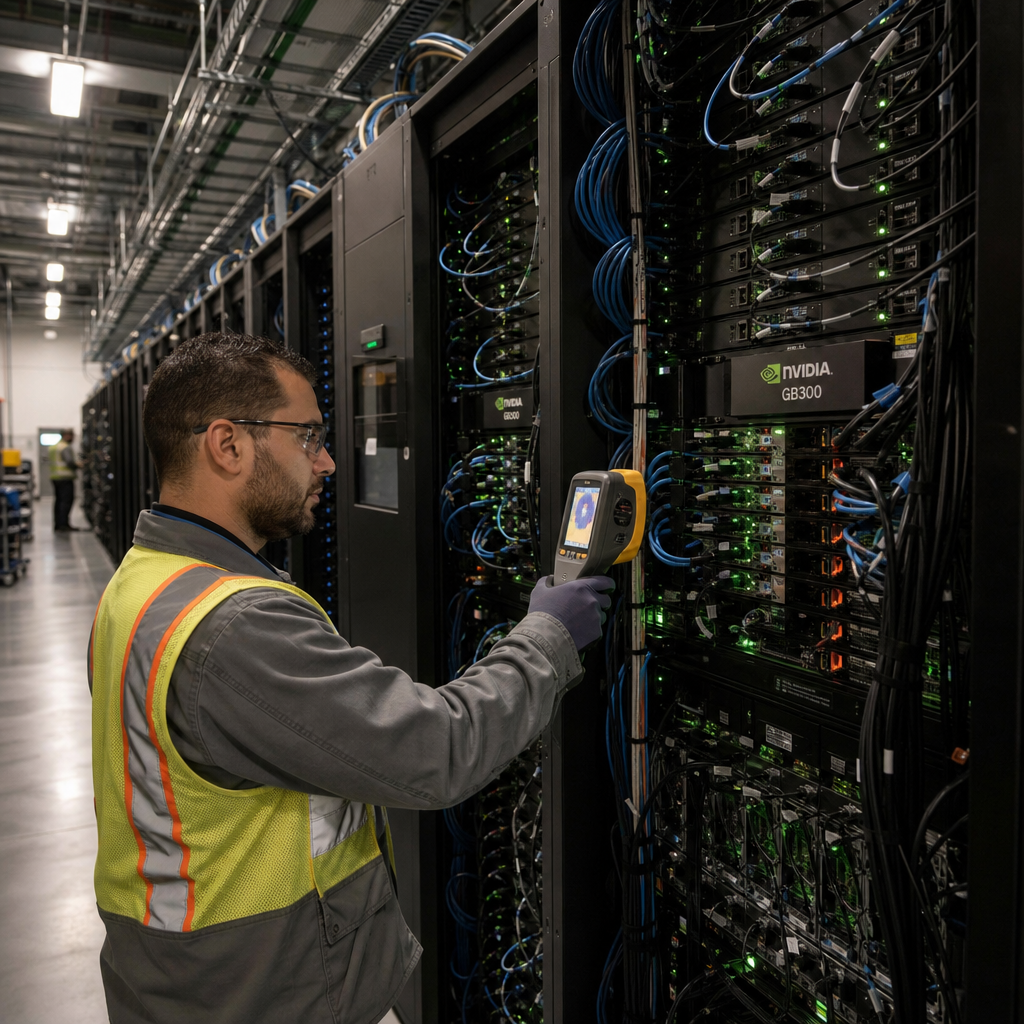
July 2026 research note from analysts Brian Nowak, Stephen C Byrd and Adam Wood introduces bottom-up models that quantify unit economics for GPU leasing and model APIs amid rising inference demand.
By Diane Okafor · 4 MIN READ
 Enterprise AI
The institution has shifted generative AI beyond pilots into 34 operational deployments that support customer relationship managers, developers and other staff while peers advance similar initiatives.
By Diane Okafor · 4 MIN READ
 Enterprise AI
The beauty sector firm improved analytics precision while a healthcare platform reduced testing timelines from weeks to hours using the same AI technology.
By Samira Reyes · 4 MIN READ
 Enterprise AI
Addepto is a Warsaw data-and-AI consultancy acquired by KMS Technology in December 2025. We checked its awards, its clients and its numbers against independent records — and labelled everything that could not be confirmed.
By Diane Okafor · 15 MIN READ
 Enterprise AI
The initiative combines satellite data and machine learning to shift from reactive disease surveillance to proactive risk forecasting in partnership with the University of Haifa.
By The Intel Desk · 12 MIN READ
 Enterprise AI
Autonomous AI agents automate invoice auditing and spend recovery at Meta and other Fortune 500 companies, leading to major headcount reductions and $260 million in recovered spend in 2025.
By Diane Okafor · 10 MIN READ
 Enterprise AI
The bank's enterprise deployment in financial services now offsets its full AI development costs with equivalent annual savings while enabling widespread internal use for operational tasks.
By Samira Reyes · 6 MIN READ